 Tamara Lush
LONGBOAT KEY, Fla. (AP) — Tons of dead fish. A smell so awful you gag with one inhale. Empty beaches, empty roads, empty restaurants.
A toxic algae bloom has overrun Florida's southern Gulf Coast this summer, devastating sea life and driving people from the water.
"I've never seen it this bad," said 31-year-old Heather Lamb of Venice. She's a hairdresser and makeup artist who styled herself as a dead mermaid and posted photos on social media to raise awareness of the problem. "I feel like it cleanses your soul to go to the beach. For me to not be able to go, it's painful. I think a lot of people take for granted when they live in Florida. Some people save their paychecks for a whole year to come here."
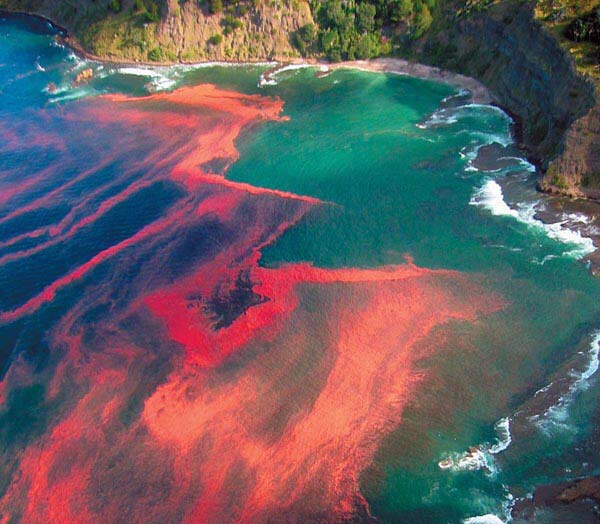
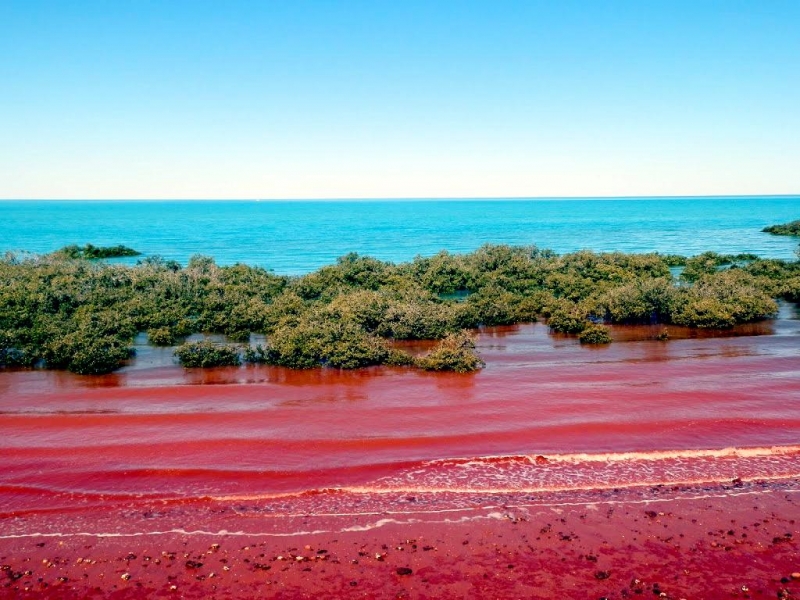
Red tide — a naturally occurring toxic algae bloom that can be harmful to people with respiratory problems— has spread throughout the Gulf of Mexico, drifting in the water since it began in October. Stretching about 150 miles (240 kilometers), it's affecting communities from Naples in the south to Anna Maria Island in the north and appears to be moving northward.
The algae turns the water toxic for marine life, and in recent weeks beachgoers have been horrified to find turtles, large fish like goliath grouper and even manatees wash up dead. In late July, a 26-foot long (8-meter-long) whale shark washed ashore on Sanibel Island, which is known for its pristine beaches. In places like Longboat Key, more than 5 tons of dead fish have been removed from beaches. This week, nine dead dolphins were found in Sarasota County, and marine biologists are investigating whether the deaths are related to red tide.
The Florida Wildlife Research Institute says the number of dead and stranded sea turtles is nearly three times higher than average. More than 450 stranded and dead sea turtles have been recovered in four affected counties this year, and the institute estimates that 250 to 300 died from red tide poisoning.
In Bradenton Beach, the stench was impossible to ignore.
"I can't describe the smell. It's like unbelievable. It makes you throw up," said Holmes Beach resident Alex Kuizon, who has lived in the area for decades. He held a handkerchief over his mouth and nose while talking to a reporter. Just a few feet away, hundreds of dead fish clogged a boat ramp.
Red tide is a natural occurrence that happens due to the presence of nutrients in the water and an organism called a dinoflagellate.
"Off the west coast of Florida, we have persistent red tide events that occur with some frequency," said Steve Murawski, a marine science professor at the University of South Florida.
Another algae problem plagues Florida's waterways, Murawski said, and confused and frustrated people are conflating the two. Blue-green algae affect freshwater, and Murawski said it has a direct correlation to agricultural and urban runoff.
Heavy May rains caused Lake Okeechobee to discharge water containing blue-green algae into rivers and canals. The bright green sludge oozed onto docks, dams and rivers.
"Are they in fact related? That's kind of an open scientific question," Murawski said. "If you've got large nitrogen discharges, you could actually be fueling both the harmful algal bloom and the discharge of the blue-green algae. It's an area of very active concern."
Why this year's red tide is so intense is up for debate. Some researchers have noticed aggressive blooms after hurricanes; Irma swept past Florida's Gulf Coast in the summer of 2017 and a period of red tide affected Florida after the powerful 2004-2005 hurricanes.
Regardless, those who live, work and play in the area are disturbed.
"We get a lot of Europeans this time of year and even people from the Midwest are still coming down because school hasn't started yet. They come here and they're like, 'Oh my goodness, what's this smell? It's awful,'" said Anthony Cucci, the manager of the Mar Vista restaurant on Longboat Key. As he spoke, a worker cleared away dead fish littering the small beach near the patio.
For Charlotte County resident Magdalena Rossip, Saturday was her birthday, when she usually goes to the beach to celebrate. This year, she didn't.
It was too depressing — her family's pressure washing business has dried up because no one wants to use their boat or patio.
"It's catastrophic," the 35-year-old said.
Although this isn't peak tourist season for the Gulf Coast — that's in winter — red tide is affecting tourism.
"I'm pretty surprised, because I usually meet my family down here once a year and it's usually completely different. The water's usually much clearer than it has been today," said Brandon Mullis of Tampa, building a sandcastle with his daughter on Bradenton Beach.
The smell wasn't bad on that part of the beach, but he said he wasn't planning to stay long — and would choose his resort pool over swimming in the Gulf.
Copyright 2018 The Associated Press. All rights reserved. This material may not be published, broadcast, rewritten or redistributed.